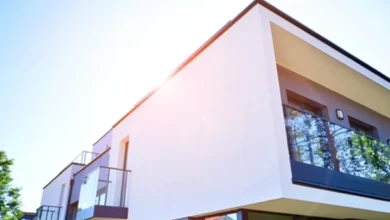
Modern manufactured housing has surged in popularity as more individuals seek affordable options amid a challenging real estate market.
These homes are attracting a diverse range of buyers who see real value in both their cost and livability. For anyone considering homeownership, understanding what makes manufactured homes unique is crucial.
Learn more about your options through https://desertmanufacturedhomes.com/, a resource dedicated to helping homebuyers navigate the details of desert and manufactured home living.
Over the years, manufactured homes have shed much of their outdated stigma, evolving in both quality and design. Today, they offer comfort, efficiency, and even customization.
Yet, there are limitations such as zoning, financing, and property value considerations. By weighing the benefits and drawbacks, you can decide if modern manufactured housing is the right fit for your needs.
When evaluating where to invest your housing dollars, comparing different home types is essential. Manufactured homes often present a surprisingly modern alternative to conventional construction, but buyers should carefully consider all relevant factors before committing.
As you explore further, the desertmanufacturedhomes platform provides additional insight into property types, customization, and other home-buying tips specific to arid climates and beyond.
Affordability
The high cost of site-built homes can put homeownership out of reach for many prospective buyers. Manufactured homes break down this barrier by offering significantly lower purchase prices, often costing less than half as much per square foot as traditional construction.
These savings are made possible by streamlined, factory-based production and reduced on-site labor needs. For families and individuals searching for a realistic ownership path, affordability is often the deciding factor.
Construction Speed
Modern manufactured homes are built quickly and efficiently, with most of the assembly done indoors. Unlike site-built homes, manufactured houses are not delayed by unpredictable weather or subcontractor schedules.
Once the factory portion is complete, installation on the home’s final site usually takes just a few days to a few weeks.
This expedited process benefits those who need quick relocation solutions or want to avoid the lengthy build times often associated with new construction. For more details on how factory building speeds up the process, visit The New York Times.
Customization Options
Gone are the days when manufactured homes were one-size-fits-all. Today, buyers can personalize almost every aspect, including floor plans, cabinetry, appliances, finishes, and exterior designs.
Many manufacturers offer a range of options, allowing you to design a home that fits your lifestyle, whether you are seeking an open-concept living area or a chef’s kitchen. This customization rivals what is available with site-built homes, yet remains far more cost-effective.
Energy Efficiency
Energy efficiency is top of mind for many homebuyers, and modern manufactured homes deliver on this front. Improved insulation, state-of-the-art windows, and efficient heating and cooling systems are now standard features.
As a result, owners frequently see lower monthly utility expenses and a smaller environmental footprint. This sustainable approach not only makes good financial sense but also supports healthier living. For more on trends in residential energy efficiency, see this U.S. Department of Energy article.
Depreciation
One downside to manufactured homes is their tendency to depreciate rather than appreciate. Unlike most site-built homes, which gain value over time, manufactured homes are more like vehicles, typically losing value, especially if located on rented land.
While well-maintained homes on privately owned land may hold value better, the general trend remains downward. This is an important consideration for buyers who view their home as a long-term investment or wealth-building tool.
Financing Challenges
Financing a manufactured home can be more complex than financing a traditional house. Standard 30-year mortgages are often unavailable unless the home is considered real property and is permanently affixed to land owned by the buyer.
Most buyers instead rely on personal property or chattel loans, which come with higher interest rates and shorter terms. According to the Consumer Financial Protection Bureau, these loans typically carry rates of 7% to 12%, which significantly increase the overall cost of ownership for budget-conscious buyers.
For more information, refer to the CFPB’s report on manufactured housing finance: Manufactured Housing Finance: New Insights from the Home Mortgage Disclosure Act.
Zoning Restrictions
Manufactured homes are subject to local zoning regulations that may limit where they can be installed. Some municipalities or homeowners’ associations prohibit or heavily restrict manufactured housing, affecting both rural and suburban areas.
These restrictions not only limit a buyer’s choices but can also affect future resale potential and the desirability of certain neighborhoods. Carefully researching the rules in your desired location is essential before making any purchase decisions.
Durability Concerns
Contemporary manufactured homes are constructed in accordance with HUD standards that ensure baseline quality, safety, and structural requirements.
However, concerns about long-term durability persist, particularly in regions with extreme weather, where exposure to heat, moisture, or high winds can accelerate wear. Issues such as improper installation, shifting foundations, or neglected maintenance can further shorten a home’s lifespan.
While many manufactured homes remain durable for decades when properly cared for, owners must commit to regular upkeep and inspections to preserve structural integrity, maintain property value, and protect against environmental stress over time.
Leigh Anne Csuhany: Marriage, Mental Health, Life After Fame